
Byron Center is a strong market for homeowners who want room to think long term. For some buyers, that means building on land with more privacy. For others, it means designing a home that supports family life, entertaining, work, storage, and future flexibility. If you are comparing custom home builder Byron Center options, the right partner should help you think beyond square footage.
A custom home is not just a collection of rooms. It is a series of decisions about land, layout, craftsmanship, budget, selections, and how the home will live over time. TruBuilt brings those pieces together through Custom Homes, Design Build, and in-house framing, trim, and cabinetry support.
Why Byron Center Is a Strong Custom Home Market
Byron Center continues to attract homeowners who want a balance of space, convenience, and West Michigan character. Some are looking for a larger lot. Some want a home that feels more tailored than production construction. Others are planning for family growth, aging in place, or a setting that gives them privacy without feeling disconnected from Grand Rapids and nearby communities.
This kind of market rewards planning. Custom homes Byron Center buyers pursue often need a builder who can talk through site fit, exterior style, storage needs, family traffic patterns, and the level of finish expected in a high-value home. Reviewing TruBuilt’s Portfolio can help buyers see how those decisions translate into finished work.
Byron Center buyers should also think carefully about how the home will sit on the property through different seasons. Snow, wind, summer sun, tree coverage, and drainage can all influence daily use. Site planning should account for how the family will enter the home, use outdoor space, and maintain the property over time.
Land and Site Considerations Before Design Starts
Before design starts, the land needs to be understood. Slope, driveway access, soil conditions, tree coverage, utility connections, drainage, sun exposure, setbacks, and views can all shape the final design. A build on your land Byron Center project should not begin with a floor plan alone. It should begin with the property and what the site can realistically support.
This is where early builder involvement matters. High-end clients often speak with architects early, and that can be a strong path when the builder is included soon enough to connect the vision to construction realities. TruBuilt can work with homeowners and design partners so site, budget, and buildability stay aligned instead of being corrected late in the process.
• Walk the property before finalizing design assumptions.
• Discuss driveway, utilities, drainage, and grading early.
• Consider privacy, views, outdoor living, and future expansion from the beginning.
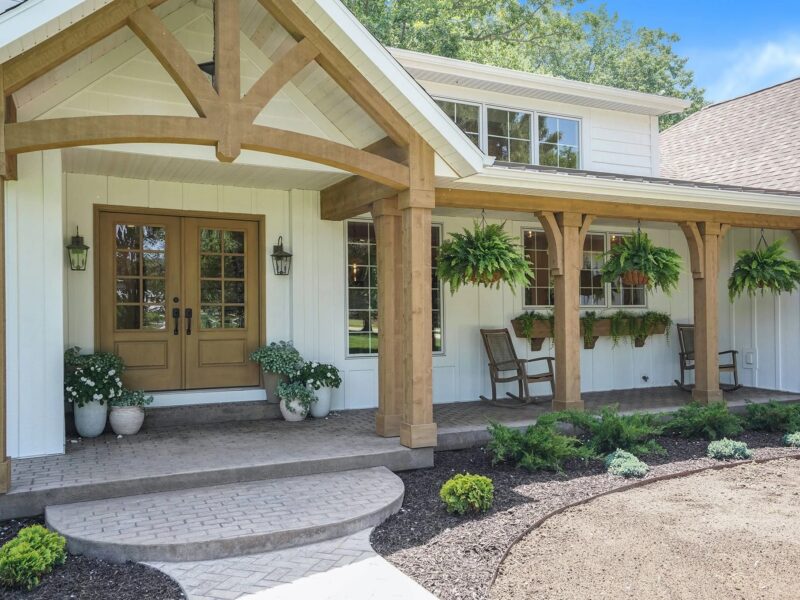
Byron Center custom homes also benefit from early conversations about exterior character. A home should feel appropriate to the land and neighborhood while still reflecting the homeowner’s taste. Rooflines, window placement, materials, porches, garages, and outdoor living areas all shape that first impression.
Layouts for Growing Families and Long-Term Living
The strongest custom layouts are not just impressive on paper. They make daily life smoother. In Byron Center, that may mean a better mudroom, a kitchen that supports large gatherings, a pantry that actually holds what the family uses, flexible office space, a main-floor suite, or a lower level planned for future finish.
A luxury home builder Byron Center homeowners trust should ask about routine, not just style. How does the family enter the house? Where do sports bags land? How often do you host? Should the kitchen connect to outdoor living? Will parents, adult children, or guests need private space later? These questions shape a custom home more than trend boards do.
Design-Build Support from First Conversation to Final Walkthrough
Design-build Byron Center projects benefit from one connected process. Design decisions, budget conversations, construction planning, cabinetry, and selections all influence each other. When those pieces are separated too long, homeowners can end up with plans that need expensive revisions before construction begins.
TruBuilt’s Design Build approach helps create a more controlled path from first conversation to final walkthrough. The goal is not to remove every hard decision. The goal is to make those decisions earlier, clearer, and better informed. For more detail, the Custom Home Builder vs Design-Build article explains the difference between separate relationships and an integrated process.
In-House Framing, Trim, and Cabinetry Advantages
In-house craftsmanship matters because custom homes depend on execution. A plan can look strong, but the final home is built in the framing, the trim, the cabinetry, the storage, and the way finishes meet. TruBuilt’s in-house crews help protect those details by keeping more of the work under one coordinated standard.
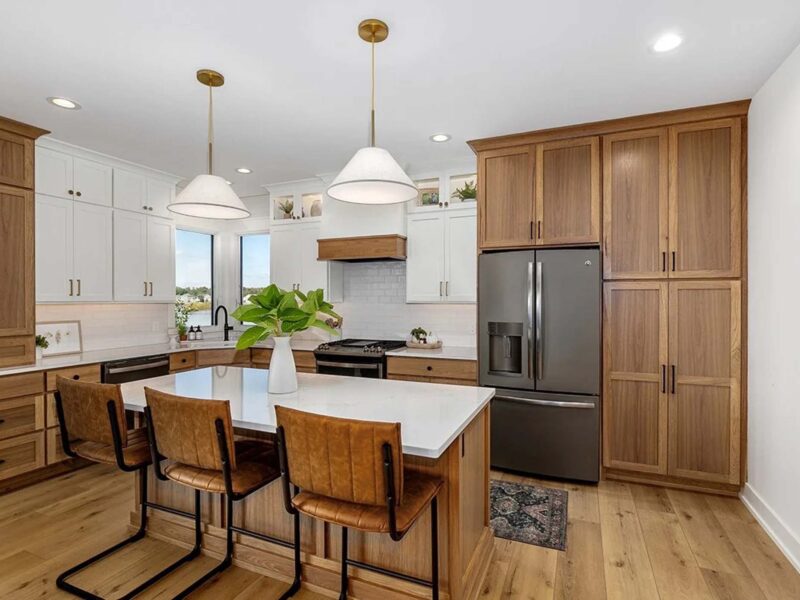
Custom Cabinetry & Trim is especially valuable in a custom home because storage and finish details can be tailored to the design instead of forced into standard solutions. Kitchens, mudrooms, offices, entertainment walls, vanities, and built-ins can all be designed around the homeowner’s lifestyle.
The builder should also help the homeowner understand decision timing. Land, design direction, budget, cabinetry, windows, mechanical systems, and major finish selections all affect the schedule. A clear process keeps those decisions from stacking up too late.
Questions to Ask Before Building in Byron Center
Before committing to a builder, ask how early they want to be involved, how they approach land evaluation, how budget is discussed, how selections are managed, and how they coordinate with architects or designers. The best answers should sound specific, not scripted.
It also helps to review the Byron Center page, browse the Gallery, and read the Custom Home Build Timeline in Michigan guide. Those resources can help you enter the conversation with better expectations.
A custom home should also leave room for the future. That does not always mean building more square footage now. It can mean planning flexible rooms, storage, mechanical access, lower-level potential, and layouts that can adapt as the household changes. Those decisions are easier to make before design is locked in.
Request a Consultation
If you are considering a custom home in Byron Center, TruBuilt can help you evaluate land, layout, design-build planning, cabinetry, timeline, and budget before the project gets too far down the wrong path. Explore Custom Homes, review the Portfolio, and request a consultation to begin the conversation.
FAQs
What should I ask a custom home builder Byron Center buyers are considering?
Ask about land evaluation, budget clarity, architect coordination, design-build process, selection timelines, and proof of similar custom home work. A strong builder should be able to explain the full path, not just the construction phase.
Can TruBuilt help us build on your land Byron Center property?
Yes. TruBuilt can help evaluate site conditions, access, layout opportunities, and early planning concerns so the home is designed around the property instead of forced onto it.
Is Byron Center a good area for custom homes?
Byron Center can be a strong fit for homeowners who want space, privacy, family-focused layouts, and access to the broader Grand Rapids area. The right lot and design approach matter.
What is the benefit of design-build Byron Center planning?
Design-build connects design, pricing, selections, and construction earlier. That helps homeowners understand tradeoffs before decisions become expensive to change.
Does TruBuilt build luxury custom homes in Byron Center?
TruBuilt works with homeowners who want custom homes built around lifestyle, craftsmanship, and long-term value. The process can include in-house cabinetry, trim, framing, and detailed project management.
When should we contact TruBuilt about a Byron Center custom home?
Start before finalizing plans or purchasing land if possible. Early input can help clarify feasibility, site concerns, scope, and budget expectations.