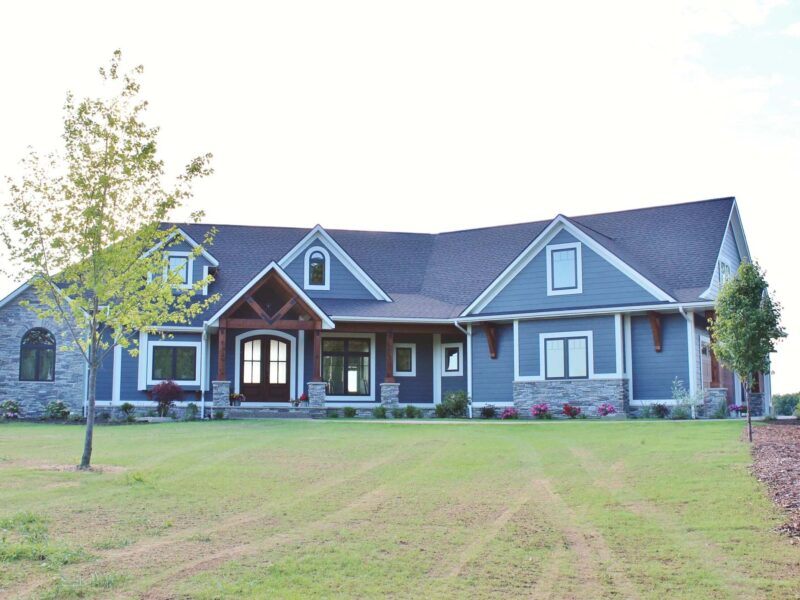

How long it takes to build a custom home in Michigan depends on much more than construction speed. Site conditions, design complexity, municipal approvals, selections, weather exposure, and how decisively the project moves through preconstruction all shape the calendar. The families who feel best about the process are usually the ones who understand that the timeline starts well before excavation and continues through a lot more than framing and finishes.
For homeowners planning in Grand Rapids, Ada, Hudsonville, or the broader West Michigan region, a custom build timeline is really a sequence of interlocking phases. TruBuilt’s Design Build approach matters here because it keeps the design, budget, and construction schedule connected instead of letting them drift into separate tracks.
Planning & Design
The timeline starts with discovery, site understanding, goals, and design development. This is where the house begins to match your lifestyle instead of just your inspiration board. Floor plan decisions, elevations, structural logic, room relationships, and major feature priorities all get shaped here. It is also when your budget needs to stay close to the conversation, not wait until the plans are “done.”
Selections influence this stage more than many homeowners expect. Window packages, kitchen direction, ceiling details, trim language, exterior materials, and specialty spaces all affect the construction path later. That is why having Interior Design and Custom Cabinetry & Trim thinking alongside the build team creates stronger projects and cleaner timelines.
Permits, Pricing, and Preconstruction
Once the design direction is solid, the project moves through pricing refinement, engineering, permitting, and procurement planning. This is where a lot of invisible but essential work happens. Municipal review timing can vary. Site logistics have to be understood. Long-lead materials need to be identified. And the final scope has to be coordinated tightly enough that construction is not solving basic planning questions after the build has already started.
This stage can feel slow to homeowners who are eager to see dirt move, but it is usually where schedule protection is earned. A disciplined preconstruction process is one of the reasons design-build teams can feel more predictable. They are doing the work up front that keeps the field sequence cleaner.
Construction Phases
The field timeline typically moves through site prep, excavation, foundation, framing, roofing and dry-in, rough mechanicals, insulation, drywall, trim, cabinetry, finishes, and punch work. Weather matters more in some phases than others, especially in Michigan. Site access, winter conditions, and material deliveries can all affect pace. That does not mean the schedule is fragile. It means the schedule should be realistic.
Trim, cabinetry, and finish work usually shape how the home feels in the final stretch. Those last phases often look slower from the outside because the work is detail-heavy rather than dramatic. But they are where craftsmanship shows. TruBuilt’s in-house Custom Cabinetry & Trim capability is a major part of that final quality.
What Commonly Extends the Timeline
Timeline extensions usually come from a handful of recurring issues: site surprises, municipal timing, long-lead materials, weather, and late design or selection decisions. Complex homes with custom detailing also simply take time. A house with specialty ceilings, layered millwork, large glazing packages, and tailored interiors should not be expected to move like a spec build.
The goal is not to eliminate every variable. The goal is to keep the team ahead of the variables that can actually be managed. That is why articles like Custom Home Builder vs Design-Build and Custom Home Design-Build Process matter. Process is a timeline issue.
How to Set Better Timeline Expectations
Good custom-home planning starts with a broad target rather than a magical finish date. Think in phases. Start early if you want to move dirt in a particular season. Understand when selections need to be made. Ask which materials carry the longest lead times. And assume that high-quality work, especially in custom homes, will never be rushed without cost elsewhere.
Timeline Planning Around Your Life
The custom-home timeline also needs to fit your family’s calendar. School transitions, lease endings, home sales, financing milestones, and travel plans can all affect how much schedule flexibility you need. It is much easier to plan a realistic move-in target when those outside pressures are part of the discussion early rather than an emergency late in the build.
This matters especially when you are coordinating the sale of a current home or deciding whether to build a buffer into temporary housing. A good builder cannot control every variable, but a good builder can help you plan around the variables you already know are coming.
Why Craftsmanship and Speed Have Limits
Custom homes reward patience in the areas that matter most. Sitework has to be right. Framing has to be right. Millwork has to be right. Finishes have to be sequenced correctly. The homes that feel timeless five years later are rarely the ones that were pushed hardest to hit the fastest possible date. They are the ones where the process protected the quality of the work.
That does not mean timelines should be loose. It means schedule discipline and craftsmanship should support each other, not compete. The best custom builders know the difference.
How Site Complexity Changes the Calendar
Not every custom-home site behaves the same. A straightforward lot with simple utility access and favorable grading supports a cleaner build path than a wooded site, a sloped site, or a lot with more involved drainage, access, or municipal review conditions. The timeline difference is not always dramatic, but it is real enough that site conversations should happen early and honestly.
That is another reason the design-build process works well for custom homes. Site realities are being weighed alongside floor plan ambition instead of getting discovered too late. The house and the land are being planned together.
If you are planning a custom build in West Michigan, start with Custom Homes, review the Portfolio, and use Contact to begin the conversation. The clearest timelines come from early alignment around design, site, budget, and the level of craftsmanship you expect.
Ready to Start Planning Your Custom Home?
A custom home timeline gets easier to manage when decisions, expectations, and design work are aligned early. If you’re starting to think seriously about building, explore TruBuilt’s Custom Homes services, browse the Gallery, and request a consultation when you’re ready to talk through your vision, property, and timeline.
FAQs
How long does a custom home build usually take from first meeting to move-in?
It varies widely based on site, design complexity, approvals, and finish level. The full process includes months of planning before visible construction even begins.
Why does preconstruction take so much time?
Because it is where the home is coordinated. Good preconstruction reduces downstream confusion, pricing drift, and schedule problems once the build is underway.
Does winter stop custom home construction in Michigan?
Not entirely, but it can affect certain phases such as site work, concrete scheduling, and exterior progress. Weather needs to be built into the timeline honestly.
Can selections delay the build?
Yes. Long-lead appliances, windows, doors, plumbing fixtures, specialty lighting, and custom millwork can all affect schedule if decisions are late or products change.
What should we read next if we are just starting the process?
Compare Custom Home Design-Build Process, Custom Home Builder vs Design-Build, and Best Areas Near Grand Rapids if site and process decisions are happening at the same time.