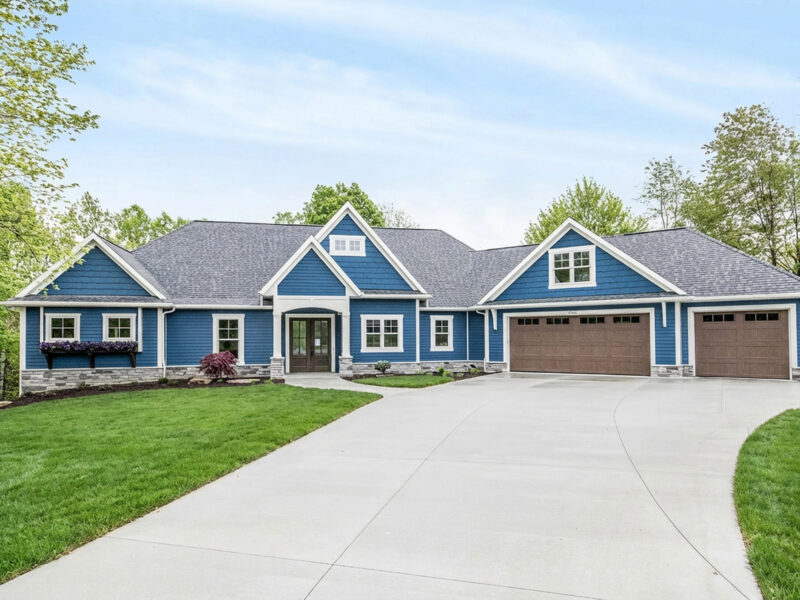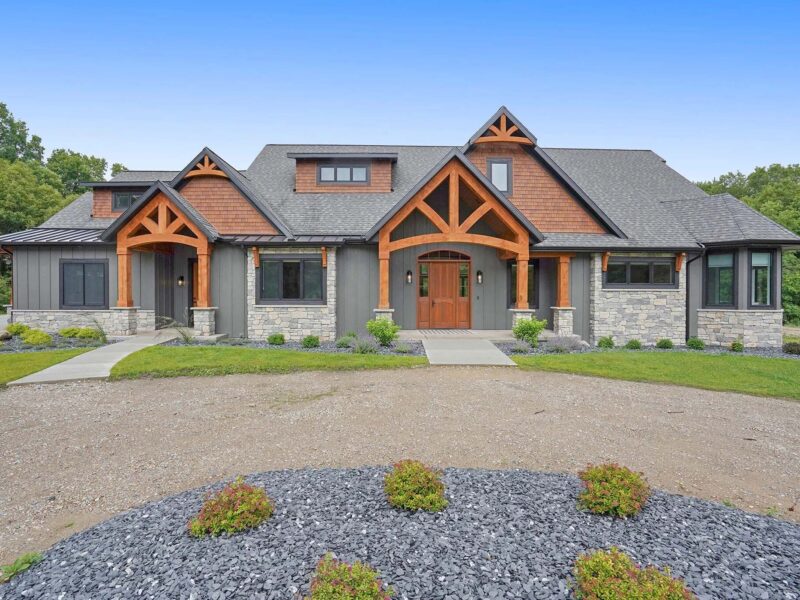

When a home no longer fits, most families do not start by dreaming about construction. They start by asking a harder question: do we remodel the house we already have, or do we start over and build new? In West Michigan, that decision is especially common in neighborhoods where the lot, location, schools, and community still feel right – but the layout, finish level, or long-term potential of the house is starting to fall short.
There is no universal winner between remodeling and building. The right answer depends on how much you like your current site, how deep the home’s limitations run, what your budget needs to accomplish, and whether a remodel can fully solve the daily frustrations that pushed you into the question in the first place. TruBuilt works on both sides of that decision through Renovations and Custom Homes, which is exactly why the comparison can be honest.
When Remodeling Makes Sense
Remodeling usually makes strong sense when the lot is excellent, the neighborhood still fits your family, and the house has bones worth investing in. That is common in places like East Grand Rapids, Hudsonville, parts of Grand Rapids, and many established communities where moving would mean giving up location benefits you actually use every week. If the home’s main issues are layout, storage, finish level, or a need for better connection between spaces, remodeling can create a lot of value without forcing a full reset.
Remodeling can also make emotional sense. Families often want to keep the yard, neighbors, commute, school pattern, or simply the life they have already built in that place. If a whole-home renovation, addition, or main-floor reconfiguration can solve the real pain points, staying put may be the better long-term move. That is where reading Luxury Home Remodel Cost in West Michigan and Home Addition Cost in Hudsonville can help sharpen the budget side of the decision.
When Building Makes Sense
Building new tends to win when the current house has limitations that remodeling would struggle to overcome cleanly. Low ceilings, awkward structural constraints, poor orientation to the lot, foundational issues, or a floor plan that would require major surgery in every direction can all push the math toward new construction. Sometimes the issue is not that remodeling is impossible. It is that the remodel would be so invasive and so expensive that a custom home would create a cleaner result.
That is where Custom Homes and Custom Home Builder vs Design-Build enter the conversation. If you are going to start fresh, you need to understand not only construction cost, but also site work, design process, timeline, and how much freedom you really want in the planning stage.
Cost Comparison
The cost comparison is rarely as simple as remodel number versus build number. Remodeling may look less expensive at first, but you need to account for hidden conditions, temporary living costs, and whether the finished home will fully deliver what you want. New construction may look more expensive on total contract price, but it can solve more issues in one move and may avoid the compromises that sometimes come with older homes. On the other hand, building new also introduces land, site prep, utility, financing, and timeline variables that do not show up the same way in remodel work.
The best cost conversations compare all-in outcomes, not just base construction. That is one reason TruBuilt’s Design Build process is helpful on both sides. It gives homeowners a clearer understanding of what they are buying: not just finishes, but function, coordination, and how completely the project solves the problem.
Lifestyle Considerations
Lifestyle is often the deciding factor. Do you love your current street, neighbors, and routines? Would a remodel let you preserve those while fixing the home? Or does the idea of a fresh start on a better lot, with a cleaner plan built around your family from day one, feel more attractive? Some families are willing to live through a remodel because the neighborhood is non-negotiable. Others would rather invest that energy into a custom build and move once.
You also have to think about timing and tolerance for disruption. Remodeling often means living around active construction or relocating temporarily. Building new may take longer overall, but much of that disruption happens away from your current day-to-day life until move-in. Neither path is universally easier; they are just different kinds of demanding.
How to Make the Decision More Clearly
Start by writing down what success actually looks like. More space? Better flow? Higher finish level? Less compromise? A forever-home layout? Then ask whether the current house can realistically deliver that without becoming a money pit. Walking through examples helps.
A Better Way to Compare the Two Paths
One helpful exercise is to create two versions of the future. In one, you stay on your current lot and invest enough to solve the home’s real issues. In the other, you imagine a fresh start with a custom build shaped around your priorities from day one. Then compare not just contract numbers, but commute, neighborhood fit, disruption, long-term maintenance, and how completely each option gets you where you want to go.
When homeowners do that honestly, the answer often becomes less emotional and more strategic. Sometimes the current home is worth deep investment. Sometimes it is the site, not the structure, that carries the value. And sometimes the clearest answer is that the family wants a true forever-home experience that remodeling cannot fully deliver.
If you are at that crossroads, review both Renovations and Custom Homes, then use Contact to start the conversation. A good builder should help you understand whether staying and remodeling, adding on, or starting over is the smartest way to invest in your next chapter.
Not Sure Whether to Remodel or Build New?
That decision usually gets clearer once you compare your lot, your current layout, your long-term goals, and the level of change your home would actually require. Start by reviewing TruBuilt’s Renovations and Custom Homes services, then request a consultation if you want to talk through which path makes more sense for your property.
FAQs
Is remodeling usually cheaper than building new?
Often, but not always. Once you account for hidden conditions, additions, major structural changes, and premium finishes, some remodels move much closer to new-build costs than homeowners expect.
When does an addition make more sense than building new?
An addition often makes sense when the existing house works in most ways and simply needs more square footage or better support spaces. If the whole home is fundamentally wrong for your goals, building new may still be cleaner.
Can a remodel feel like a custom home when it is finished?
In many cases, yes. Integrated design, custom cabinetry, better layout, and cohesive finish work can make an older home feel dramatically more tailored and elevated.
Should we talk to a remodeler or a custom home builder first?
Ideally, a company that truly understands both. That allows the conversation to stay grounded in what is best for your property and goals instead of what happens to fit one service line.
What should we read next if we are trying to compare both paths seriously?
Look at Luxury Home Remodel Cost in West Michigan, Custom Home Build Timeline in Michigan, and Custom Home Builder vs Design-Build. Those three pieces frame budget, schedule, and process together.